


Key Takeaways:
- Poor gut health can be mainly attributed to an imbalance in the ecosystem of bacteria that lives withthin (or their microbiome). When there's a microbial imbalance, the gut suffers, as does do the bodily functions that it supports. Including those that help your dog manage their weight.
- An imbalanced gut microbiome (or dysbiosis) impacts their appetite, as well as their metabolism, digestion, and how their body absorbs nutrients, vitamins and minerals,. This contributes to weight struggles.
- The best way to help restore their gut, and help maintain a healthy weight is through starting with a dog Gut Health Test, then using the results to adopt a targeted diet that specialises in supporting a gut health, their weight, and therefore their overall wellbeing.
Weight struggles are an extremely common issue for dogs, whether they’re struggling to lose weight or gain it.
The healthy, ideal weight for a dog can vary between breed, size and age, which can make finding the right balance a little tricky, especially when you feel like you’re doing everything you can, and things aren’t changing.
Well, it could be that their gut health and diversity of their gut microbiome are making it harder for your dog to reach their ideal weight.
With joined forces with our Head of Microbiology, Dr Bushra Abu-Helil to explore more about your dog’s gut microbiome and how it can impact your dog’s weight. Plus, how investigating their gut health could be the first step towards helping them reach their ideal, healthy weight.
How does poor gut health contribute to weight issues in dogs?
Your dog's gut, and the ecosystem of bacteria that lives within it (microbiome), is responsible for supporting the function of many of your dog’s vital processes within the body - many of which support their overall health and wellbeing.
The function of their gut microbiome are directly linked to many of the processes that revolve around how your dog’s body manages their weight.
These include:
How their food is digested
Their metabolism, or how their body converts food into energy
The overall health of their gut, including the permeability of the gut wall. A weak gut wall can also lead to ‘leaky gut syndrome’, where bacteria and toxins escape into the bloodstream, causing inflammation in the gut and around the body
How their body absorbs beneficial nutrients, vitamins and minerals from the food they eat
Their appetite
With that said, when the bacteria in their microbiome becomes unbalanced (for example, one species of bacteria has overgrown, or some are lacking) this means the aforementioned processes within the body cannot function as they should. This is what we call, dysbiosis.
With their appetite impacted, as well as their metabolism, digestion, and how their body absorbs nutrients, vitamins and minerals, - this contributes to weight struggles.
Plus, with such a link to gut health and digestion, dysbiosis can lead to or exacerbate gastrointestinal diseases and other health conditions like Cushing’s Disease and Diabetes. These also cause the aforementioned side effects and aligning symptoms (like diarrhoea and vomiting), which impact your dog’s weight.
What gut bacteria supports weight management in dogs?
If we take a look at your dog’s microbiome under the microscope, two of the bacterial genus groups you should find are Alloprevotella and Blautia.
Blautia, in particular, is the second most common bacterium found in the gut microbiome and, like Alloprevotella, one of its main functions is helping to alleviate obesity and supporting overall weight management. If your dog is experiencing struggles with their weight, levels of this bacterium are likely low or non-existent.
To learn more about the bacteria that live within your dog's gut, check out our article: 'Dog owners: What you need to know about your dog’s gut microbiome'.
How do you know that poor gut health is impacting your dog’s weight?
The only way to rule out poor gut health or dysbiosis as a potential contributing reason to your dog's weight struggles is with a Gut Health Test for your dog.
At Pooch & Mutt, our dog Gut Health Test involves sending off a sample of their poo for testing; this sample can give us a representative look at what bacteria are living in their microbiome.
This, alongside information about their breed, medical history, lifestyle and environment, helps us provide you with a comprehensive outlook on their gut health and microbiome. From there, we identify a completely tailored approach to what they need in their diet, including everything from food to prebiotics, and probiotics to supplements, all of which help get everything back on track.
What other factors contribute to weight struggles in dogs?
Whilst dysbiosis can be the root cause of your dog’s weight struggles, other factors can also contribute.
Other causes of weight gain in dogs include:
Lack of exercise can mean dogs aren’t burning enough calories, leading to weight gain.
Overfeeding. Feeding your dog more than they should for their size, age, and needs can lead to weight gain. Be sure to explore our feeding guidelines to get an idea of how much your dog should be eating each day.
Too many treats, including fatty like crisps and bread. There is such a thing as too many dog treats, and it can easily be done, especially during training. Be sure to check out our , and always stick to only treats specifically made for dogs.
Some medications can cause weight gain, including steroids.
Genetics, as some dog breeds are more prone to gaining weight.
Other causes of weight loss in dogs:
Parasites such as Round worms, Tape worms, Hookworms and Giardia in dogs can cause weight loss. Be sure to contact your vet if you find your dog experiencing unexpected weight loss. That said, Giardia can also lead to long-term gut health issues, even when initially treated.
Periodontal disease and other oral health issues can make it difficult to eat, and can heavily impact their appetite.
An unsuitable diet for their size, breed and needs - meaning they’re not eating enough.
Cancer and other detrimental diseases. If your dog is rapidly losing weight for no particular reason, be sure to contact your vet for further advice.
How can you help your dog lose weight?
The first step in helping your dog is recognising that they need to lose weight, and then adapting their lifestyle accordingly.
Whilst maintaining their gut health, ensuring a rich and balanced microbiome and working with your vet to help the internal factors that cause weight gain are the first and most important step, there are other things you can do to get them back to a healthy weight for their breed.
These include:
Increasing their level of exercise, while making sure it still aligns with the activity levels for their age, size, breed and needs. For example, overweight puppies can tire out quickly, so be sure to monitor their activity levels and give them plenty of breaks. An increased level of exercise can, in some cases, also increase microbial diversity.
Keeping treats to a minimum will also help them shed some pounds, especially if you’re prone to giving in to puppy dog eyes and feeding them off your plate. Sticking to dog-friendly food and treats not only helps them stick to their ideal weight, but also eliminates any risk of feeding something toxic.
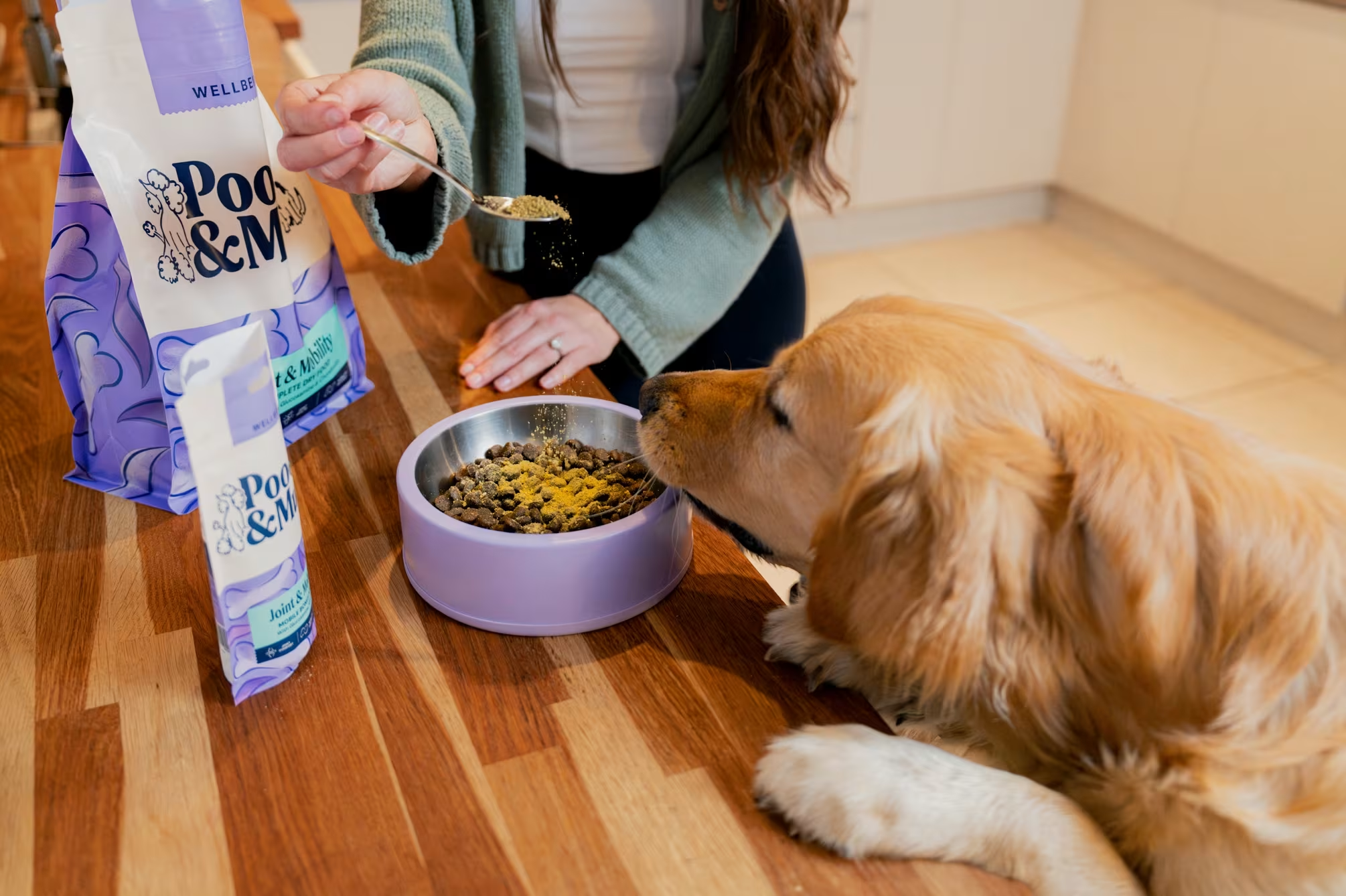
Changing to a low-fat diet will help them get all the nutrients they need, while keeping them lean. Here at Pooch & Mutt, our Low fat range means your dog can still eat well and get everything they need, whilst helping keep them lean.
Keeping them on a healthy and complete diet. One of the best steps towards a healthy gut, and a healthy weight is ensuring your dog's everyday diet is high quality and complete. Meaning they're getting all the nutrients they need to be their best selves. This mainly includes foods that utilise high quality, lean protein, probiotics and prebiotics, and dog safe fruits and veggies. And there's never harm in adding on supplements and natural superfoods alongside their everyday diet to give their health that little extra boost. A Gut Health Test is a great way to find out what exact food and supplements your dog needs to be their best selves.
How can you help your dog gain weight?
The same can be said for helping your dog gain weight, in that finding the root cause is the first step - whether that’s conducting a Gut Health Test to rule out side effects from dysbiosis, or working with a vet.
But other things you can do to help your dog safely gain weight include:
Adding healthy fats and supplements to their diet, like Salmon Oil and Eggs.
Keeping them calm and happy in their environment.
Keeping them on a rich, high protein diet including Chicken, Beef and Fish.
How do I know if my dog is the right weight?
Identifying whether your dog is under or overweight depends on both external and internal factors. You can tell whether your dog is under or overweight by looking at their body.
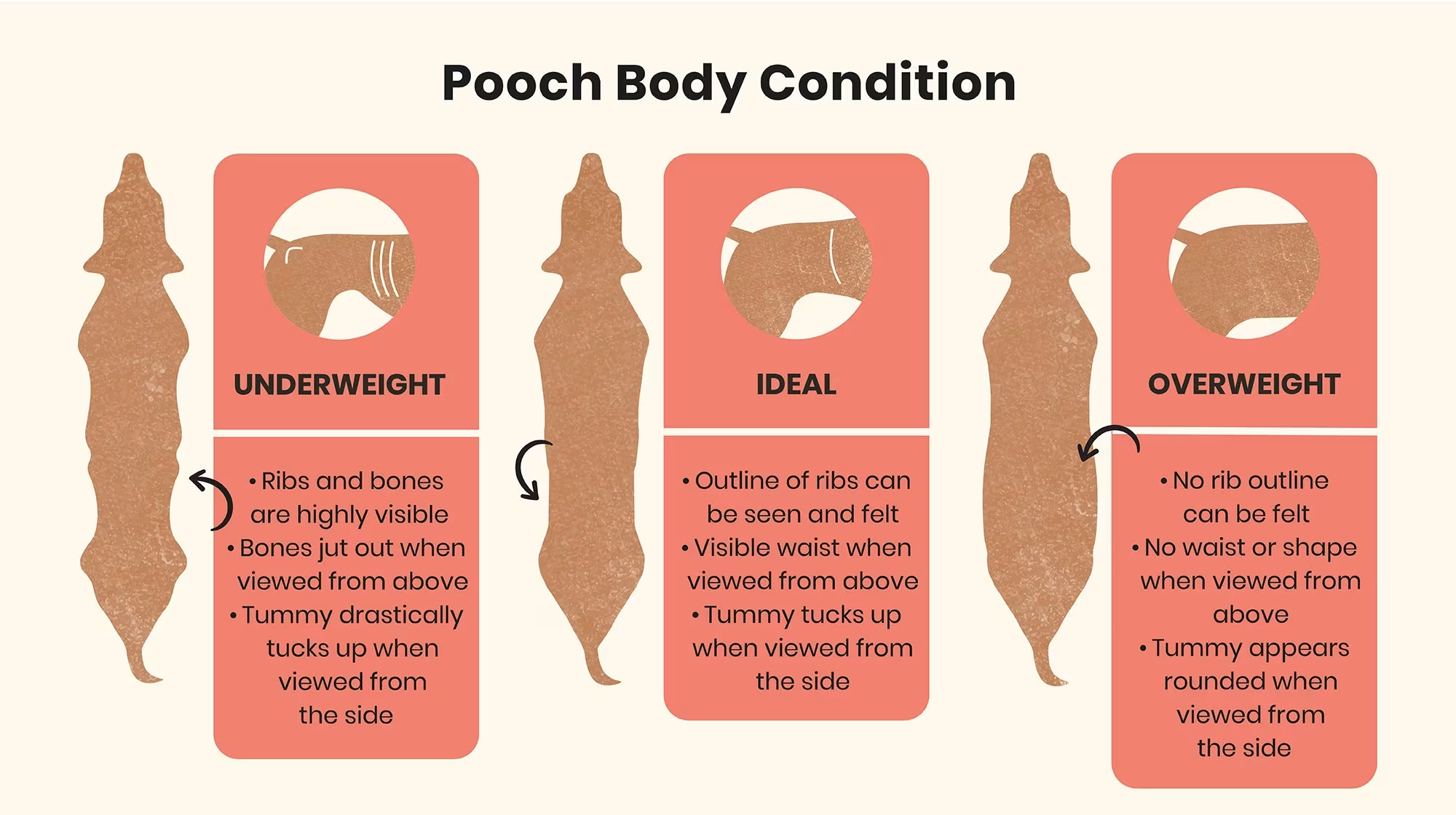
If their ribs can be clearly felt or are visible, or they have a tucked tummy, this may mean they’re underweight. On the other hand, if you struggle to feel their ribs or their tummy appears to be always rounded, then they could be overweight and on their way to obesity.
The main source of finding out whether your dog is under or overweight is considering their breed and size. The ideal weight for a Great Dane is of course going to be different to that of a Yorkshire Terrier. To find out your dog’s ideal weight for their breed, consult your vet for advice. In the meantime, you can check out our feeding guidelines manual to get a good idea of what your dog’s ideal weight should be.
Your dog’s journey to an ideal weight is best started with a Gut Health Test. Not only can this rule out issues stemming from dysbiosis, but it can help effectively navigate their treatment plan, and what they need in their diet to be back on track towards their best selves.
Find out more about Gut Health Tests for your dog. In the meantime, be sure to reach out to our expert Pooch & Mutt team who will be more than happy to help.
Weight Loss
Support weight management and healthier joints with our Slim & Slender range. Carefully selected ingredients help support weight loss through lean, low-fat ingredients - without compromising on taste.
-

 from
fromCurrent price: £15.99
Slim & Slender Dry Dog Food -

 from
fromCurrent price: £2.49
Fish, Potato & Pea Wet Dog Food -

 from
fromCurrent price: £4.99
Primal Long-Lasting Fish Hide Chews -

 from
fromCurrent price: £4.99
Calming Fish Hide Chews -

 from
fromCurrent price: £9.49
Fish Chews Bundle -

 from
fromCurrent price: £41.99
The Weight Loss Bundle -

 from
fromCurrent price: £8.99
Dry Superfood For Senior Dogs
FAQs
Does poor gut health make it harder for dogs to lose weight?
Yes, if your dog is suffering from an microbial imbalance (dysbiosis), it can make them harder to lose weight, impacting their metabolism and their appetite.
Increased inflammation linked to dysbiosis may also make it harder for your dog to lose weight, as it can contribute to insulin resistance and reduce the body's ability to burn fat.
In a bit of a vicious cycle, studies have shown that obesity in dogs can also have an impact on their microbial diversity and balance. This makes restoring and balancing their gut, a crucial first step for most dogs, especially those looking to get to a healthy weight.
Can poor gut health make a dog gain weight?
Yes, disruption in their gut and their microbial balance can lead to your dog gaining weight.
This is because of how much your dog's gut microbiome is responsible for the bodily processes that help them manage their weight.
An imbalance of bacteria within their gut microbiome can potentially lead to a slowing of their metabolism which leads to them burning fewer calories. It can also contribute to an increase in appetite.
Some bacteria that live within their microbiome are responsible for the way the body extracts energy and stores fat. If there is an increase in this particular strain, this could then lead to them storing more fat, and increasing their weight.
You can explore bacteria levels in your dog's gut via a Gut Health Test, making it a key first step in helping your dog reach optimal health.
How do I restore my dog's gut health naturally?
The best way to restore your dog's gut health naturally is through an adapted diet and targeted supplements.
There are plenty of natural, dog-safe superfoods out there, some that are full of natural Probiotics and Prebiotics, that help benefit their gut health.
Kefir, in particular, is rich in live probiotic cultures and is gold dust for restoring balance to their gut. Healthy fruits, vegetables, and high quality, lean protein is also good for providing the right nutrients, and maintaining good gut health.
Or, you can focus on providing dog food that utilises many of these superfoods, and specifically targets healthy digestion and gut health. This might look like dog foods with simple recipes, aimed at helping gastrointestinal or sensitivity issues, or dog food that is simply high-quality and complete.
To further target their gut health, you could add everyday, gut health supplements alongside their diet. These provide concentrated doses of natural ingredients that are known to specifically affect and improve their gut health.
For diet and supplements to efficiently restore your dog's gut health, it's best to start with a Gut Health Test. This will show exactly what their gut bacteria needs to get back on track, so you can pick their supplements strategically, and based on what they actually need.
Does my dog need a gut health test?
If your dog’s showing constant issues with digestion, itchy skin, anxiety, runny poos, smelly farts, or bad breath, it might be a good idea to start with their gut. A Gut Health Test can identify areas of imbalance in their gut microbiome and assess how well-equipped their gut is to support their overall health. If, after a Gut Health Test and actioning recommended changes, your dog’s symptoms persist or worsen (i.e., blood in their stools, refusing to eat, lethargy, vomiting), then it’s best to see a vet as soon as possible.
This post was originally published in July 2025, but has been updated for comprehensiveness.


