


Key Takeaways:
- Leaky gut syndrome happens when your dog’s gut lining becomes less effective at keeping toxins out of the bloodstream.
- Symptoms can include digestive issues, itching, ear infections, food sensitivities, and inflammation throughout the body.
- Supporting gut health through diet, restoring balance to their microbiome, and veterinary care can help with gut resilience, improve symptoms, and overall wellbeing.
Ever heard of leaky gut syndrome? A term popping up more and more in the wellness world, for dogs and humans alike!
But what does it mean? How can a gut be leaky? Is it a real condition? And could it be linked to some of the symptoms your dog’s been struggling with?
Leaky gut syndrome isn’t currently established as an official diagnosis. As gut health experts, we’re paying increasing attention to the links between gut barrier health, inflammation, the microbiome, and the very real impact it can have on your dog’s body.
In this article, you’ll discover what leaky gut syndrome really means, the signs to look out for, what might cause it, and how you can support your dog’s gut health.
What is a leaky gut?
Leaky gut syndrome is exactly what it sounds like… a gut that’s leaky!
Because leaky gut syndrome describes ‘increased intestinal permeability’, which is where your dog’s gut barrier becomes weak and potentially less effective.
When we refer to the ‘gut barrier’, we just mean the gut lining or wall. This is the protective layer of cells inside the digestive tract.
It works as the gatekeeper, controlling what stays in the gut and what goes out into the bloodstream.
Its job is to allow nutrients to be absorbed into the bloodstream, whilst keeping bacteria, toxins, and waste products in and away from the rest of the body.
However, this lining can become less effective when the gut is under ongoing stress. And this is what we call a ‘leaky gut’.
Signs your dog might have a leaky gut
Leaky gut syndrome can lead to a whole range of possible symptoms.
And it makes sense. If toxins and harmful bacteria are leaking into your dog’s bloodstream, it’s no surprise that they can throw body functions out of whack.
So, what should you look out for?
Well, because the two often go hand in hand, the symptoms of leaky gut syndrome can overlap with the symptoms of poor gut health, including:
Diarrhoea
Constipation
Gas/bloating
Vomiting
Poor appetite
Mucus in stool
Bad breath
And many more.
However, dogs with leaky gut syndrome may also struggle with more widespread inflammatory issues, such as:
Recurrent ear infections
Food sensitivities
Fatigue
Inflammatory or immune-related problems
Like we said before, poor gut health, dysbiosis, and leaky gut syndrome are all closely connected and can influence each other in a cycle.
Your dog might develop a leaky gut as a result of poor gut health, or an ongoing gut imbalance may affect how well the gut lining works in the first place.
And in many dogs, the two tend to exist alongside each other rather than completely separately.

Is it allergies or a leaky gut?
Symptoms caused by a leaky gut can also look a lot like those caused by food or environmental allergies. So how do you tell the difference between the two?
If your dog is showing allergy-like symptoms but you’ve struggled to pinpoint a clear trigger, it can be difficult to know whether you’re dealing with allergies or poor gut health.
Both a leaky gut and allergies can cause similar effects, including skin irritation, itching, ear infections, paw licking, and digestive upset.
One of the key differences is that allergies are often triggered by specific environmental or food factors, such as pollen, dust, or certain ingredients. So identifying and avoiding these triggers by adapting their diet and removing allergens can help alleviate symptoms.
Symptoms that stem from their gut may need a little more work to restore balance and get your dog back to their best self.
In reality, though, the two are closely connected. Ongoing inflammation from allergies can affect gut balance over time, while poor gut health and leaky gut syndrome may make some dogs more reactive or sensitive to things in their environment.
This is why many dogs don’t fit neatly into just one category - and why it can be difficult to separate allergies from gut-related issues without looking at the bigger picture.
Causes of leaky gut syndrome
Leaky gut syndrome doesn’t usually have one single cause.
Instead, it tends to develop as part of a wider disruption in the gut, where the microbiome, immune system, inflammation, and overall digestive health all influence each other.
The most common factors contributing to leaky gut syndrome in dogs include:
Digestive upset or ongoing gut irritation
Food sensitivities or intolerances
Infections
Antibiotics and other medications
Stress
Being on an unsuitable diet
Alternatively, some dogs may have medical or structural issues affecting their digestive system, such as:
Inflammatory bowel disease (IBD)
Chronic gastrointestinal inflammation
Pancreatic disorders
Severe or ongoing infections
Parasites such as Giardia
Physical abnormalities in the gut wall
To put it simply: anything that might cause stress to your dog’s gut, like illness, diet, or lifestyle changes, can affect its function and contribute to leaky gut syndrome.

How is dysbiosis linked to a leaky gut?
When your dog’s gut is stressed, this can throw off its bacteria and lead to an unbalanced gut microbiome - known as ‘dysbiosis’.
A healthy gut microbiome can function well and carry out all of its usual jobs - and that includes maintaining the gut lining. So it can do its job as a gatekeeper, letting the nutrients absorb into the bloodstream whilst keeping harmful bacteria away from the rest of the body.
But for dogs with dysbiosis, the barrier can become ineffective, leading to leaky gut syndrome, allowing bacteria to escape into the bloodstream.
This can cause symptoms in all different areas of your dog’s body - including their skin health, mental health, digestive health, immune health, energy levels, metabolism, and more.
Although it sounds like an unbalanced microbiome causes a compromised gut barrier, and it often does, leaky gut syndrome and dysbiosis are very much ‘chicken and egg’.
Meaning leaky gut syndrome can also come first, and disrupt the balance of bacteria in your dog’s digestive system - allowing harmful microbes to thrive while beneficial bacteria struggle to survive.
This means the two are usually very closely connected and feed into each other, becoming a cycle where one worsens the other.
Diagnosis
So if all of this sounds like leaky gut syndrome could be behind your dog’s pesky symptoms… what do you do now?
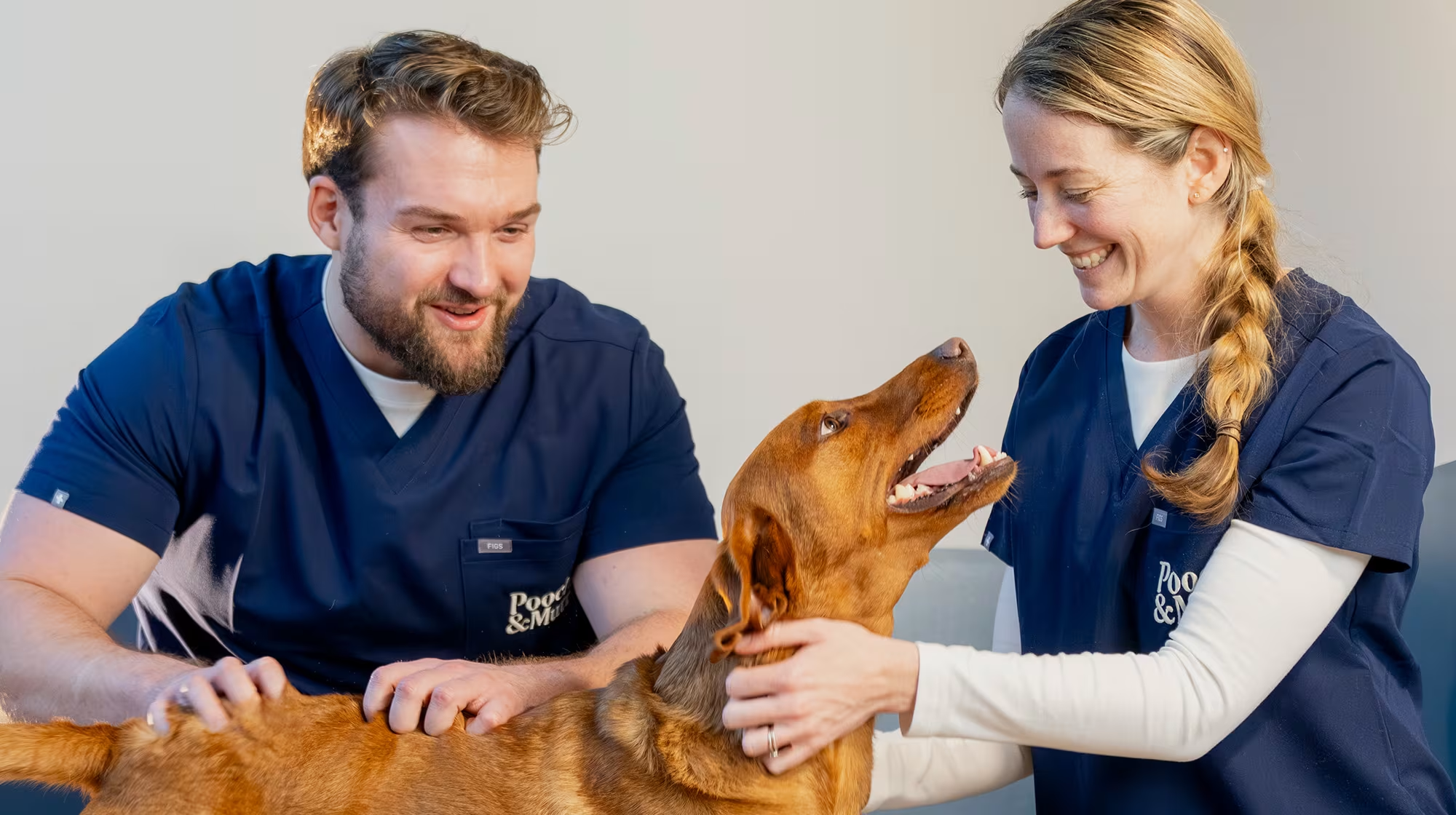
The first step is to book an appointment with your vet and explain their symptoms.
The typical symptoms of leaky gut cross over with many other issues, so your vet will likely run some tests to rule out conditions like:
Parasites
Food allergies
Inflammatory bowel disease
Infections
Pancreatic disorders
Chronic digestive disease
Because there's currently no singular test to diagnose leaky gut syndrome, it’s usually a case of ruling out other conditions first, and then assessing your dog’s gut health.

Gut Health Testing for dogs
A vet may diagnose poor gut health from your dog’s symptoms; however, the best way to gain accurate, detailed insights into your dog’s microbiome is with a Gut Health Test.
Whilst it can’t diagnose leaky gut specifically, one thing (of many!) that it can test for is the gut inflammation marker.
This marker looks at bacteria associated with inflammatory patterns in the gut, including bacterial groups that are often discussed in relation to gut barrier disruption and increased intestinal permeability.
It can also test for levels of Calprotectin, which tends to be higher when there is inflammation in the gut, so it can be helpful when looking at gut irritation or inflammatory activity.
When to see a vet
Your dog’s symptoms should never be assumed to be leaky gut, as they can cross over with many other serious medical conditions.
If your dog’s experiencing:
Persistent diarrhoea
Blood in the stool
Severe vomiting
Rapid weight loss
Chronic itching
Ongoing ear infections
Significant lethargy
Appetite loss
Signs of pain
Dehydration
Recurring digestive problems
It’s important to seek advice from a vet as soon as possible.
Additionally, while uncomfortable for your dog, some symptoms of leaky gut syndrome can have a serious impact on your dog’s health if they suffer from them long-term.
For example, dogs with long-term acid reflux end up with damage to their oesophagus, due to repeated exposure to stomach acid. It’s always important to seek advice from your vet for any long-standing health issues.
Treatment
Because leaky gut syndrome is part of a wider picture, there’s no magic pill or remedy.
Instead, the treatment should involve supporting gut health, reducing inflammation, and addressing any underlying issues that could be stressing your dog’s gut.
And remember, the focus should be on ALL of the above, not just one - because as we’ve learnt, the immune system, gut barrier, inflammation, and your dog’s microbiome all feed off of one another.
So where do you start?
First of all, address any underlying causes. This might include:
Dietary changes
Treating infections or parasites
Management of medical conditions
Reducing stress
Weight management
Finishing courses of antibiotics and focusing on gut restoration in their aftercare
After this, focusing on restoring gut balance and reducing inflammation is key.
This can include:
Probiotics and prebiotics.
Increasing fibre.
Feeding naturally gut-supporting foods like sauerkraut, kimchi, kefir, and yoghurt
Keeping your dog hydrated.
Reducing processed foods.
Feeding anti-inflammatory foods (look for ingredients like omega-fatty acids, Glucosamine, Blueberries, and Turmeric.
Taking a Gut Health Test and following your dog’s unique gut balancing plan.
Can leaky gut be cured?
Yes, many dogs show significant improvement once the root causes affecting their gut are properly managed.
It’s best to focus on improving your dog’s overall gut health, reducing inflammation, supporting the gut lining, and addressing any underlying issues that may be contributing to the problem.
For some dogs, symptoms may improve relatively quickly, while others may need longer-term dietary and lifestyle support to keep their gut balanced and healthy.
Home remedies for leaky gut syndrome
Daily habits can play a major role in supporting your dog’s gut health.
A gut-friendly lifestyle should include:
Maintaining a healthy weight
Regular exercise
Managing stress levels (lots of playtime, your dog says!)
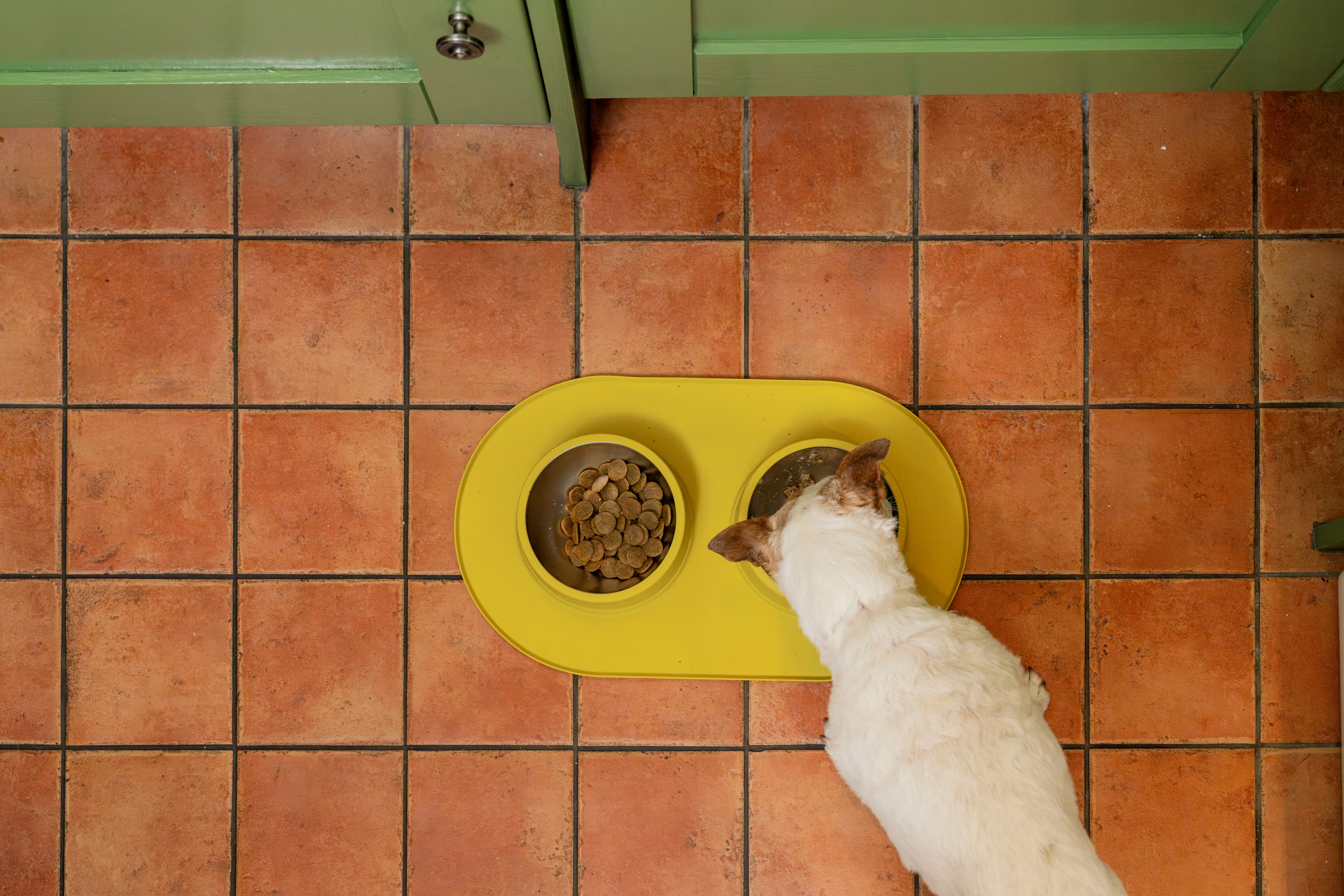
Plenty of hydration
Introducing new foods gradually
Supporting your dog’s gut with supplements
Keeping track of symptoms, flare-ups, and dietary changes can also help identify patterns over time.
Prevention
Poor gut health can’t always be prevented - gut health can sometimes change due to factors like age and environment.
However, being proactive about your dog’s gut health can often reduce their chances of future issues and help boost their gut’s resilience.
You can support balanced guts by:
Feeding a balanced, nutrient-rich diet
Using probiotics and prebiotics
Avoiding unnecessary antibiotic use
Managing stress
Transitioning foods gradually
Treating underlying health conditions early
Spotting imbalances early with a Gut Health Test
What’s the best diet for dogs with leaky gut?
Every dog is different, so there’s no singular diet that’ll help every dog with leaky gut syndrome. The best approach depends on your dog’s symptoms, sensitivities, health history, and underlying conditions.
If you’re unsure, our Find Your Food Quiz is on hand to help, or as always, we’d recommend checking with your vet before making any changes to your dog’s diet.
In general, dogs with digestive sensitivities often benefit from diets that are:
Supportive of the microbiome
Lower in unnecessary additives and fillers
Ingredients to look for
Ingredients that may help support gut health include:
High-quality animal proteins
Pumpkin
Omega-3 fatty acids, found in fish, seeds, and nuts
Prebiotics
Probiotics
Fermented ingredients like Kefir, and Plain Greek Yoghurt
Fibre-rich vegetables like Broccoli, Carrots, Spinach, and Beans
Ingredients to avoid
Every dog is different and might have their own individual triggers and sensitivities.
However, if your dog is struggling with their digestion, gut health, and inflammation, it’s best to avoid:
Artificial additives
Excessively processed foods
Low-quality fillers
Sudden dietary changes
Excessive sugar or unhealthy fats


Gut Health Test
Get your results in 4 weeks, with our quick and easy, at-home Gut Health Test for dogs. One simple poo sample, analysed by our microbiologists, and you’ll get personalised recommendations to help your dog thrive.
*Discount codes can't be redeemed on this item.
-
91% of customers saw improved gut health
-
Science backed gut health insights
-
Online report including key health indicators
Original price: £69.99
Current price: £34.99
FAQs
How do you stop leaky gut syndrome in dogs?
There’s no single quick fix for leaky gut syndrome - instead, it’s about supporting your dog’s overall gut health and addressing anything that might be disrupting it.
This can include things like managing any underlying health issues, identifying allergies/trigger foods, reducing stress, weight management, and supporting the gut microbiome with gut-friendly foods and supplements.
Because the gut, immune system, and microbiome are all closely connected, the best results usually come from a combined approach rather than one single change.
If you’re concerned, it’s always best to speak to your vet before making any major changes to your dog’s routine or diet.
What are the 5 warning signs of a leaky gut?
Leaky gut syndrome doesn’t have one clear set of symptoms, and they often cross over with other health issues, which is why it can sometimes be tricky to spot.
That said, some of the most commonly reported signs linked to gut barrier issues include:
Digestive issues such as diarrhoea, constipation, bloating, or vomiting
Skin problems like itching, irritation, or inflammation
Recurring ear infections
Food sensitivities or intolerance-type reactions
Ongoing fatigue or low energy levels
How is leaky gut diagnosed in dogs?
At the moment, there isn’t a single test that can diagnose leaky gut syndrome in dogs.
Instead, vets will usually look at your dog’s symptoms, rule out other conditions (such as parasites, infections, allergies, or digestive diseases), and assess overall gut health.
In some cases, further testing may be used to explore inflammation or changes in the gut environment, which can give useful insight into what’s going on.
Because leaky gut syndrome is still an evolving area of research, diagnosis is often about building a full picture of your dog’s health rather than confirming one specific condition.


