


Key Takeaways:
- The main causes of a dry and dull coat in dogs are their type of diet, allergies, over-grooming and parasites, including fleas.
- Signs of a dull, dry coat include flakes of dandruff on their skin or fur, the fur is brittle and breaks easily, scratching, licking, or biting, skin might appear red or inflamed, and their fur may have a static feel, and tangle easily.
- The best way to help tackle dry and cull coats in dogs include investing with a vet whether they have any food intolerances and allergies, switching up their diet, adding skin & coat focused supplements to their diet, and conducting a Gut Health Test to help design a more targeted supplement plan.
If your dog’s usually soft coat has become dry, coarse and dull, this can point to a few potential health issues.
In this article we’ll go into the common reasons for dryness in your pooch’s fur, how to spot the signs of a dry coat, and easy ways you can look to nourish your dog’s coat health. That way, you can get it back to being ‘Crufts’ ready in no time!
Common reasons for a dry or dull coat in dogs
Diet & Nutrition
Yup, what’s going into your dog is one of the most common culprits for the health on the outside, including a dry, brittle coat. If their meals aren’t particularly well-balanced, they could be deficient in coat-boosting super nutrients such as Omegas 3 and 6, Vitamin E, or Zinc. Protein also impacts coat quality, so getting high-quality whole proteins is mega important for a dog’s diet, as well as tasty and diverse fruit and vegetables.
Allergies
Your pooch’s skin might be triggered by a specific ingredient in their diet, such as Grain, Dairy, Beef or Eggs. This can wreak havoc with their skin and coat quality. It could also be an allergy to something in their environment, such as pollen.
Over-bathing and/or grooming products
It’s important to keep your pooch clean, but bathing too often can dry out their coat, as its natural oils keep it healthy and nourished. Over washing can strip those out! Unsuitable grooming products such as harsh shampoos, or coat fresheners might also be having a drying effect. On this topic, Vet Linda also added that she sees a lot of dry skin and coats in dogs during the winter thanks to 'increased usage of central heating in the home'. Radiators pumping during the winter causes drier air in the home, which isn't the best environment for your dog's coat to thrive.
Parasites, such as fleas
Those pesky fleas cause your dog to overly itch and scratch, irritating the skin and affecting the feel of their coat. Other parasites also cause turbulence with skin and coat, like mites, lice and ticks.
Signs your dog has a dry coat
So, how do you identify whether your dog’s coat is on the dry side? The tell-tale brittle signs include coarse fur that’s often accompanied with other symptoms affecting the skin. Try to pay particular attention if:
Your dog’s fur is coarse, lifeless and rough to touch.
You see flakes of dandruff on their skin or fur.
The fur is brittle and breaks easily, and hair falls out more than usual.
Your dog may be itchy, and scratch, lick, or bite at themselves a lot.
Skin might appear red or inflamed, either from irritation or over-scratching.
Their fur may have a static feel, and tangle easily.
What does a dog’s coat say about their health?
Your dog’s coat shine and softness can depend on their breed, age and how often they’re groomed.
However, if you’ve noticed a change in their coat condition, while nothing else in their routines is different, it could point to a health or dietary issue, such as an allergy or deficiency.
If ever you’re concerned about your dog’s coat and skin health, be sure to give your vet a ring. Especially if changes have come on suddenly, and are changing rapidly.
What does a dog’s coat say about their gut health?
A lot! Just like with humans, what a dog eats can have a big impact on their physical appearance, including their coat condition. If a pooch isn’t getting enough nutrients, perhaps due to malabsorption, poor diet, or health conditions, it can knock the delicate balance of bacteria that lives within their gut, out of whack. This can manifest as dry, coarse or lacklustre fur that should be softer and shinier.
How to fix a dry, dull coat in dogs
Diet
Your first port of call to have your dog’s coat feeling full of life should be to look at their food. Could your pooch be munching on too many fatty treats? Is their usual dog food full of artificial preservatives? Could your dog have a food allergy? For some guidance, have a go at our Find Your Food Quiz to see what diet could help your dog get back on track!
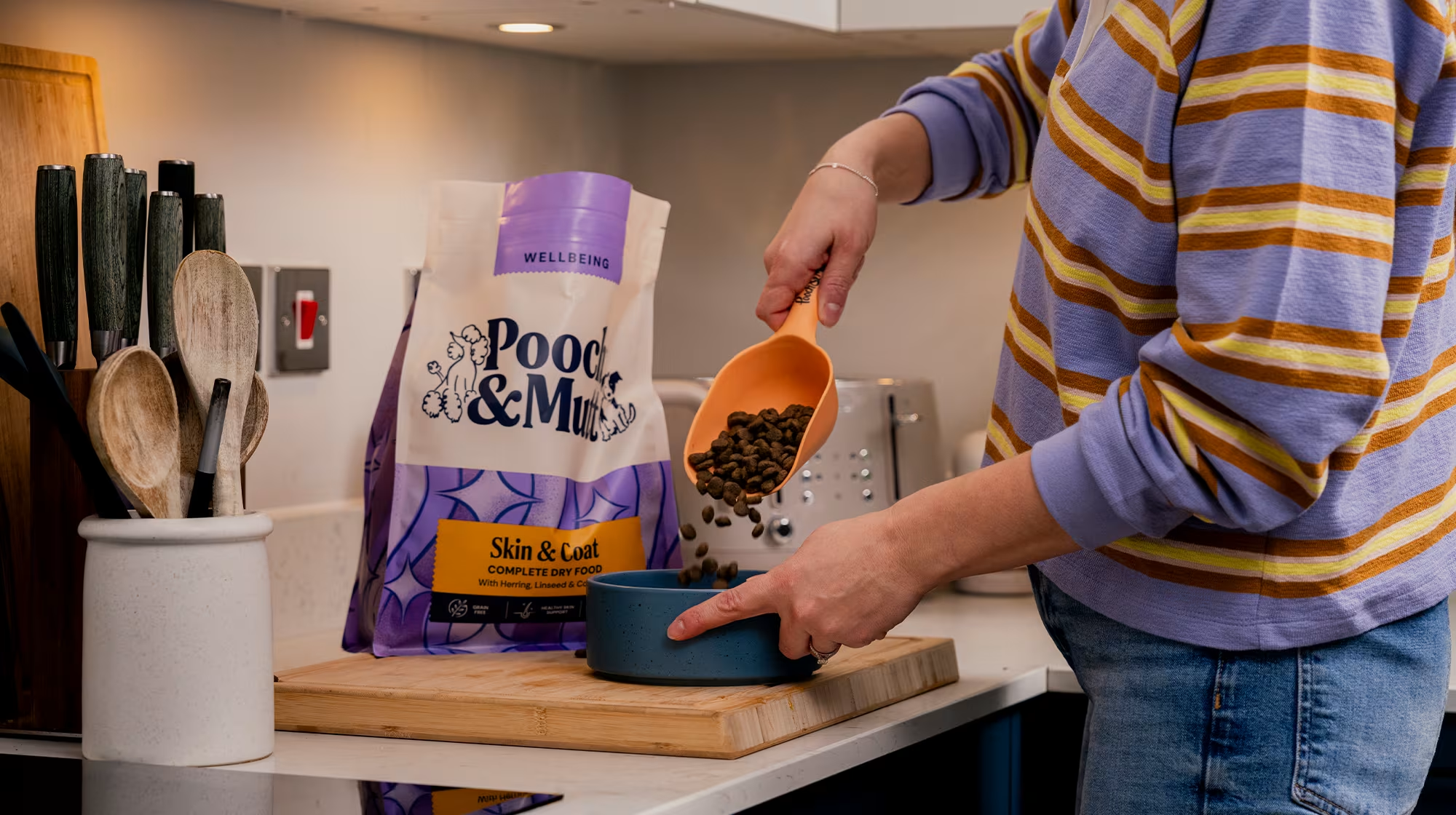
A well-balanced diet packed with tasty, high-quality proteins and oily fish (packed with Omegas-3 and -6) will definitely help nourish your dog’s skin and coat. Pooch & Mutt's Skin & Coat Dry Food includes ingredients such as Herring and Linseed, great for keeping them comfortable, soft and sleek.
Also, hydration is key! Your pooch will need lots of water throughout the day; staying hydrated is key to a wonderfully healthy skin and coat condition. Struggling to get them to drink their water? Why not trying adding a little dog-safe bone broth to their diet? Makes it a little more appealing, boosts their hydration, and adds a little nutritious kick to their meals. Bone Broth at Pooch & Mutt is also packed with ingredients known for their skin & coat boosting properties (like Beef that's naturally packed with collagen) - so it's a win-win!
Supplements for skin and coat
If you think your dog could be deficient and needs a boost of nutrients, supplements that specifically target coat and skin can work wonders. Oily fish, for instance, is bursting with essential fatty acids Omegas-3 and -6, which are magical coat-boosting ingredients. Though they may be getting some of these Omega fatty acids in their current diet, a dog’s body will use these nutrients on internal organs before skin and coat, so may benefit from also supplementing with Salmon Oil for Dogs. Collagen is also a great supplement for dogs, with properties that boost skin health, and bring shine to your dog's coat. A convenient, and extremely tasty, way to get Collagen into your dog's diet is through dog-safe Bone Broth or Collagen Chews.
Collagen for dogs
-

 from
fromCurrent price: £5.99
Health & Digestion Bone Broth For Dogs -

 from
fromCurrent price: £5.99
Calm & Relaxed Bone Broth For Dogs -

 from
fromCurrent price: £5.99
Health & Digestion Beef Collagen Chews -

 from
fromCurrent price: £5.99
Calm & Relaxed Beef Collagen Chews -

 from
fromCurrent price: £5.99
Primal Long-Lasting Beef Collagen Chews
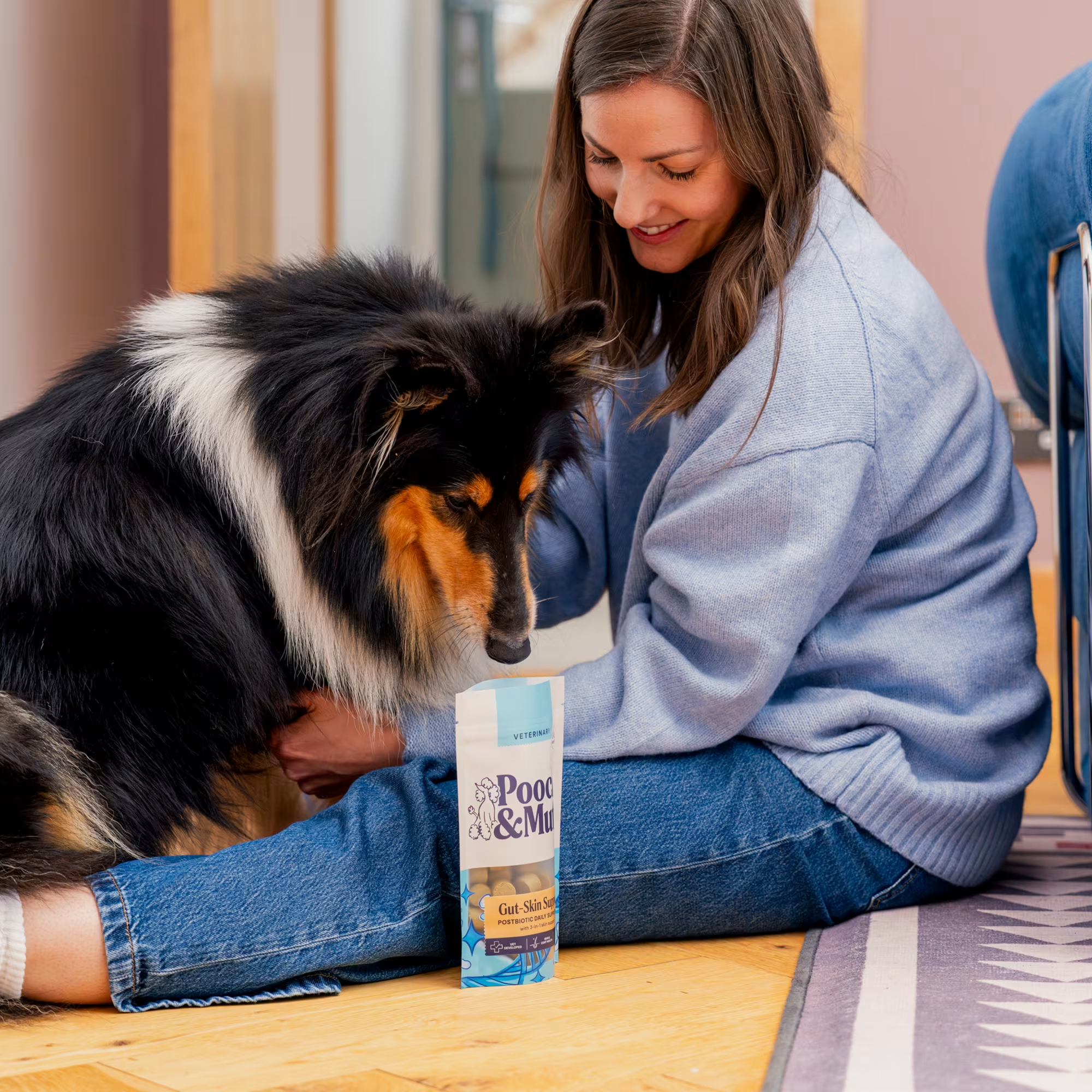
A gut-balancing supplement for dogs can also help, as often a turbulent gut can manifest as dry, itchy skin. Pooch & Mutt's Gut-Skin Support contains Quercetin, a natural antioxidant that supports skin and immunity. For a closer look on how your dog’s gut and microbial health could be impacting their skin and coat health, be sure to consider starting their gut health journey with a Pooch & Mutt Gut Health Test! With a simple poop sample popped into the post, our team of scientists will get it under a microscope, and compile all that handy information into a Gut Health Test Report, and supplement plan. That way you can have a proper look at what’s going on on the inside, how well your dog’s gut is supporting the rest of their body, and how you can use diet and supplements to get things back on track. Always consult your vet before trying new supplements, especially if your pooch has any allergies or dietary requirements. With any supplements, you should start to see results between 4-12 weeks of regular use.
Grooming
Is it possible you’re grooming your dog too much, or not enough? Remind yourself of how often you should bathe your particular dog - as depending on their breed and coat type, they might need fewer baths and grooming sessions than they’re currently getting.
Over-shampooing or using a harsh shampoo may be stripping your pooch of the natural oils their coat needs to stay supple. This especially applies if they’re double-coated (raise your paws, Huskies, German Shepherds, Labrador Retrievers!).
If you think your dog’s skin may be irritated by fleas, it’s worth checking whether their treatment is up to date. Regularly give your pooch a check over for any lice or ticks they may have picked up, especially if they keep scratching!
When to see a vet
If you don’t see any changes to your dog’s coat condition after trying all the steps, there might be a different health issue going on under the surface. Take your dog to the vet for a check up, and they can examine your pooch for any underlying problems.
FAQs
How do I get my dog’s coat shiny?
If your dog’s coat is lacklustre, often the problem is diet, an allergy, or being deficient in certain nutrients. Usually it’s the essential fatty acids Omegas-3 and -6 that have the most impact on skin and coat condition, so you could try supplementing with oily fish or a fish oil supplement, like Salmon Oil for dogs.
What does Cushing’s hair loss look like in dogs?
If your dog might have Cushing’s disease, they will usually lose hair as well as experiencing a dry, brittle coat. The hair loss will occur in even patches all over the dog’s body, the skin underneath will appear thin and darkened and is often combined with symptoms like a pot-belly, increased thirst and appetite, and low energy.
What does a healthy dog coat look like?
A healthy coat should be lustrous, smooth and slightly bouncy, and their skin should be hydrated and of the appropriate colour (not too red, inflamed or too pale). Your dog shouldn’t shed excessively, and hair should be distributed evenly across the body with no balding or thinning patches.
References
“A prospective, randomized, double blind, placebo-controlled evaluation of the effects of an n-3 essential fatty acids supplement on clinical signs, and fatty acid concentrations in the erythrocyte membrane, hair shafts and skin surface of dogs with poor quality coats” - Prostaglandins, Leukotrienes and Essential Fatty Acids, 2020.
This post was originally published in February 2026, but has been updated for comprehensiveness.


