


Key Takeaways: - Your new pooch will probably be nervous at first, so give them space and take it slowly as they get used to their new surroundings.
- Having lots of patience, introducing routines, and having positive experiences together can strengthen the bond between you and your adopted dog.
- Every dog is different and will need a unique approach. The best thing to remember is that things will take time, and a gradual approach that aligns with their needs is key.
If you’re on the journey to adopting a dog, congratulations! Every year, thousands of dog owners in the UK choose to adopt a rescue dog to not only add a furry friend to the family, but to help a pooch in need. Settling a rescue dog into your home is a slightly different process to raising a puppy. You’ll just need a few extra tools and techniques in your back pocket to help your pooch feel calm and regulated in their surroundings. With help from our friends at Woodgreen, here’s our full guide to helping your rescue dog settle into their new home.
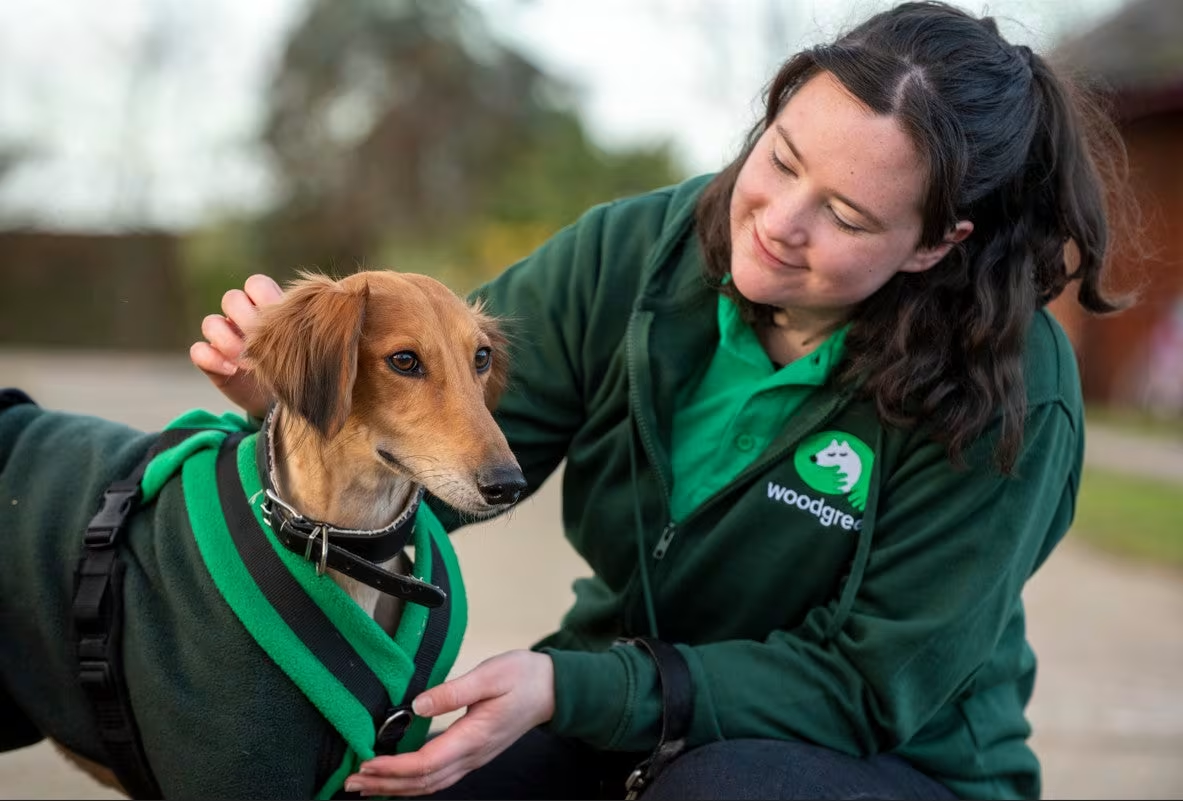
Tips for settling in a rescue dog
It’s incredibly exciting to bring your new member of the family home, but with such a huge transition and potential past trauma, it’s important that you prioritise one thing: taking it easy. Try considering the following:
Give them space
The urge to cuddle your new pooch will be strong - but at this early stage, let them wander at their own pace. Don’t invite any visitors, keep your other pets in a different room for now, and gently guide them to their food bowl, water bowl, and sleeping area. Lindsay Arliss, Dog Behaviour and Training Specialist at Woodgreen says:
"Have patience! Remember, you may be excited to be bringing home your new family member, but for the dog, everything is new and unpredictable. Dogs need time to learn about you and your home. Don’t be worried if they are a bit reserved, they are just working things out. Try not to overwhelm them, allow them to retreat to a safe bed or place if they need to, provide familiar meals and even blankets that smell of them (ask the rescue if you can have a blanket from the dogs’ kennel). Try not to approach them and fuss them, allow them to come to you and keep interactions short, if they lean in and request more that’s great, but they might not want to be touched too much to start with."
Be open to positive interactions
Let your dog come to you - if they want to hide all day instead, that’s ok. If they do seem relaxed around you, however, feel free to try some play time, such as offering a toy, playing fetch, or trying some ‘sit’ and ‘paw’ commands with healthy dog treats as rewards. These fun interactions will start to build your bond right from the start.
Introduce a routine from the start
Your pooch probably had a routine at the rescue centre, so it makes sense to continue the sense of structure at home. This goes for feeding times, going to the toilet, going outside, and bedtime, so they feel a sense of normality. If your pooch struggles to adapt on the first day, that’s ok. Try not to enforce anything, just try and go about your daily life as you would, letting them observe - they have to get used to your routine too!
"Be around but not overbearing during the first few days. This means be at home, doing your normal routine, rather than putting too much pressure on the dog. Give your dog plenty of opportunities to toilet in the garden, some dogs have a relapse in house training when they move to a new home. Treat them as you would a puppy, with regular trips outside and gentle praise and a reward when they go. " - Lindsay Arliss, Dog Behaviour and Training Specialist at Woodgreen
Expect and prepare yourself for some distress
Your new rescue dog is likely overwhelmed, often displaying symptoms like: - Crying - Barking - Hiding - Peeing or pooping in the house - Pacing - Trembling
And these are all completely normal. You can soothe your pooch by offering them a range of self-soothing options such as toys, water or food, a snuggly blanket, or walk around the house or garden. They may just need space, so give them some time if they’d prefer to be left alone.
Helping your rescue dog with their first night at home
A dog falling asleep anywhere means they feel safe and protected. So, completely settling your rescue dog for a full night’s sleep may be a little tricky on the first night. So as the night draws to a close, try to consider the following:
Gradually introduce them to the crate
If your pooch is sleeping in a crate or is crate-trained, introduce it early on with blankets, toys, and a few tasty dog treats. Use an upbeat tone of voice so they know the crate is a welcoming, positive place. Lots of dogs feel safe and secure in a crate, so it’s a useful tool for their sleep routine and to boost their independence.
When it comes to thinking about your new rescue dog's sleeping arrangements, Lindsay Arliss, Dog Behaviour and Training Specialist at Woodgreen says:
"Consider the sleeping arrangements for the first few nights, some dogs might find being totally alone quite unsettling in a new home. Can you allow them to sleep in your room? Or would you rather sleep on the sofa with them? This doesn’t have to be a long-term arrangement, just for the first few days while they get to know you."

What to do when bringing a rescue dog home
Whilst there's a checklist of things to do on the big day, there's also a lot you could be doing in the days prior to make that transition even easier for them. When the paper work's on it's way to being done you're days away from pick-up, amongst all the excitement, be sure to give a thought to the following:
Rescue dog preparation checklist:
Have a chat to staff at the rescue centre. By the time you’ve chosen and adopted a dog, you’ll be best buds with the staff at the rescue centre! Get an update from the staff before they arrive: learn about your dog’s current sleep routines, familiar toys and smells, what food they’ve been eating, as well as general advice for having them at ease in the first few days.
Do some dog-proofing in your home. Remember to keep fragile or toxic items like plants, cleaning products, and ornaments well out of your dog’s reach. Why not use baby gates to cordon off the rooms or areas you want to keep dog-free? This also calls for a scope of your garden. Tidy away any potentially harmful debris, block up any holes and search the area for any toxic plants and flowers.
Set up a cosy, safe space Create a cosy area that’s just for your dog, such as a dog bed or crate decked out with soft blankets, toys, a few calming dog treats and an easy-to-find water bowl. Arrange it in a quiet, snug spot in the house which doesn’t get a lot of noise or passers-by.
Consider their food and medication The rescue centre staff may give you some of the food they’ve been feeding your dog, but if you’d like to switch, you can stock up on the food you’d like them to eat (remember to take it slowly and gradually if switching your dog’s food, monitoring for any reactions). High-quality dog food with whole proteins and natural, mood-boosting ingredients will get them off on the right track. Don’t forget flea treatment and vaccines (if the rescue centre staff haven’t sorted those already) and to learn about and stock up on any medication they require, too. To really set your rescue dog on the right track, you could consider a Pooch & Mutt Gut Health Test. The bacteria that lives within their gut has a significant impact on their overall health and can be disrupted by a number of things. For a rescue dog, factors such as their traumatic past, whether they've come from overseas or even just the transition to their new life can cause things to be knocked out of balance in their gut. Testing their gut health and getting to know where that delicate balance of bacteria is at will help you design a more targeted diet and supplement plan, and get your rescue pooch on the track to greatness! Explore more about your dog's gut health here.


Gut Health Test
Get your results in 4 weeks, with our quick and easy, at-home Gut Health Test for dogs. One simple poo sample, analysed by our microbiologists, and you’ll get personalised recommendations to help your dog thrive.
*Discount codes can't be redeemed on this item.
-
91% of customers saw improved gut health
-
Science backed gut health insights
-
Online report including key health indicators
Original price: £69.99
Current price: £34.99
Seek support It’s a big deal getting a rescue dog, and it sometimes brings about challenges you wouldn’t have expected. If you’re struggling with getting your pooch to settle, don’t be afraid to reach out for support. The rescue centre, behavioural experts and trainers, and your vet can offer advice tailored to your specific pooch and their background
With patience and the right support, you and your adopted pooch can look forward to a wonderful life together - full of cuddles, love, and adventures! Do you have a rescue dog at home? Tell us about them in the comments below!
A nervous pooch may have toilet and tummy problems as they get used to these big changes. Take a look at our Pooch & Mutt Wellbeing Range for delicious, grain-free dog food and calming dog treats, that boost your dog’s mood as well as settle their tummy.
This post was originally published in February 2026, but has been updated for comprehensiveness.


