


Key Takeaways:
- The first signs of arthritis in cats include stiff movements, hesitation when jumping, and signs of joint pain.
- It can develop at any age, but is often seen from six years old onwards.
- With early treatment, cats with arthritis can have a good quality of life for many years.
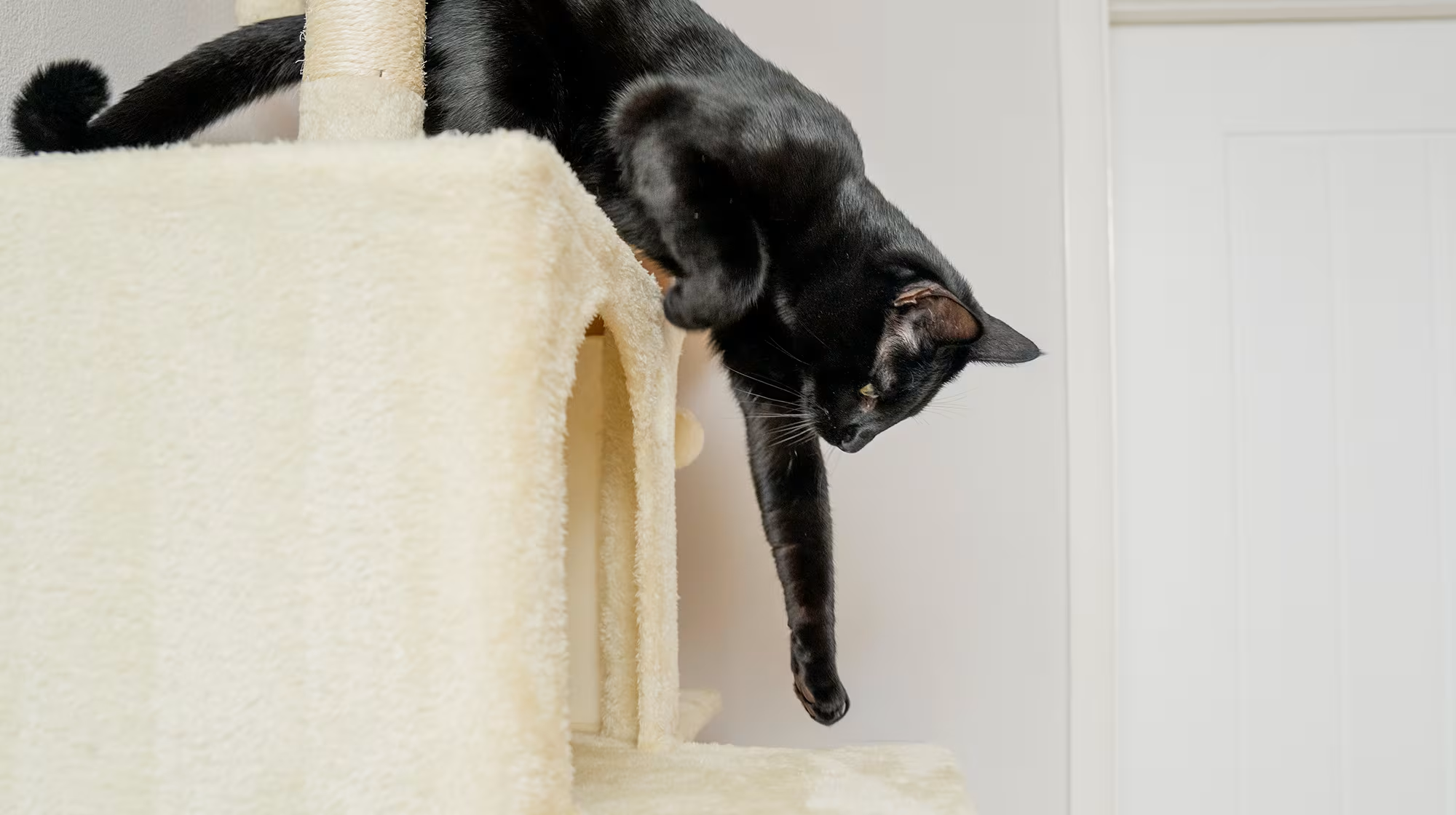
As cats age, it’s common for them to get a little stiff and sore in their movements. Unlike when they were kittens, they might start to think twice about jumping off surfaces, using the stairs or exploring the garden.
Our feline friends are also notoriously good at hiding pain, so the first signs of arthritis can be difficult to spot. But keeping an eye out for symptoms is essential to getting the right treatment early and stopping further damage or discomfort.
Here’s everything you need to know about the condition, its impact and what you can do about it.
What is arthritis?
Arthritis is when the cartilage (protective membrane) in a cat’s joints starts to wear down, causing pain and inflammation. Common in a cat’s hips, elbows and knees, it can start to make their movement difficult and stiff.
It’s extremely common for older cats to get arthritis, with up to 90% of cats aged 12 and over experiencing some joint disease. This is because the daily wear and tear of jumping, exploring and playing eventually starts to break down their joints. That said, it can appear in younger cats who have had an injury or infection in a particular area.
Overweight cats are more likely to develop arthritis.
Signs of arthritis in cats
Arthritis can be very difficult to spot in cats because they’re (frustratingly) good at hiding pain. It’s also a condition that gets worse over time, so you don’t want to leave it too long before getting treatment.
Look out carefully for the following signs and contact your vet if you spot any:
Stiffness in their movements, including limping or lameness
Being more tired and irritable than usual.
Weight and muscle loss.
Your cat is grooming less (leaving their fur matted and dirty, particularly over their rump) or is over licking certain areas where they’re feeling pain (meaning they lose or stain their fur).
Dislike of being touched in certain parts of their body.
Changes in their behaviour, such as exploring less or having difficulty using the cat flap or litter box.
What cat breeds are more prone to arthritis?
Certain breeds are more likely to develop arthritis due to genetic conditions like hip dysplasia.
Maine Coons, Persians and Siamese are particularly susceptible. Scottish Folds are also at higher risk because of a cartilage mutation that causes their cute ear shape, but it can lead to their joints wearing out faster.
How is arthritis diagnosed in cats?
A vet will diagnose arthritis in cats by asking you about their symptoms and performing a physical exam. They’ll feel your cat's joints and test their movement to see if there’s any restriction or pain. In some cases, they might perform imaging such as X-rays or CT scans.
How is arthritis treated in cats?
Once a cat has arthritis, it unfortunately can’t be cured.
Instead, vets will recommend steps that’ll manage the condition and help them enjoy a good quality of life for as long as possible. That’s why getting early treatment is essential to helping your cat live happier for longer. This might include:
Painkillers and anti-inflammatories, which will help reduce your cat’s stiffness and pain. It might take a while for your vet to find the right type of medication for your moggie, as some can cause unwanted side effects.
Introducing supplements to support joint health, especially ones that contain Omega-3 and Glucosamine, can help to slow down the progression of arthritis.
Weight management, as any excess body mass can put extra unwanted pressure on your cat’s joints. This might involve switching to a new diet and cutting down on treats.
Environmental changes to help their movement around your home. This might include ramps or steps, orthopaedic beds or raised food bowls and low-sided litter trays.
Extra therapies might support your cat’s wellbeing, including acupuncture and hydrotherapy.
In rare cases, vets might recommend surgery, especially if arthritis results from an injury or infection.
Keep your cat indoors, warm and cosy in winter, as the cold can make their stiffness and pain feel worse.
Can you prevent arthritis in cats?
Arthritis can’t always be prevented, especially in older cats. But there are some steps you can take to delay its development.
Keeping your cat active and at a healthy weight is key. This helps their joints move without any extra pressure.
Giving your cat a balanced diet isn’t just important for managing their weight, but ensures they have all the proteins and nutrients they need to stay healthy. For older moggies, this means including joint-supporting ingredients like Glucosamine, oily fish like Salmon and Chondroitin.
As they age, as well as switching to a diet specifically formulated for senior cats, you might want to add in joint supplements for extra support.
To cut down the number of impacts on a cat’s joints, consider building in pet ramps or steps to help them get to high places. Low-sided litter trays can also help minimise pressure on their hips, knees and elbows.
Vet-Approved Cat Food
Our grain-free, junk-free dry food for cats is specially formulated to support overall health, wellbeing, and vitality. With no added sugar, all recipes are packed with high-quality protein, natural superfoods, and prebiotics for gold star gut health, ensuring optimal nutrition for your kitty, and peace of mind for you.
-

 from
fromCurrent price: £19.49
Primal Salmon & Herring Dry Cat Food -

 from
fromCurrent price: £19.49
Primal Duck & Turkey Dry Cat Food -

 from
fromCurrent price: £11.99
Dry Superfood For Indoor Cats -

 from
fromCurrent price: £11.99
Dry Superfood For Adult Cats -

 from
fromCurrent price: £11.99
Dry Superfood For Senior Cats -

 from
fromCurrent price: £11.99
Dry Superfood For Kittens -

 from
fromCurrent price: £1.99
Primal Salmon Wet Cat Food -

 from
fromCurrent price: £1.99
Primal Turkey Wet Cat Food -

 from
fromCurrent price: £2.99
Primal Sprat & Salmon Fish Jerky For Cats -

 from
fromCurrent price: £1.49
Wet Superfood For Adult Cats -

 from
fromCurrent price: £1.49
Wet Superfood For Senior Cats -

 from
fromCurrent price: £1.49
Wet Superfood Indoor Cats -

 from
fromCurrent price: £1.49
Wet Superfood For Kittens
FAQs
How can I help my cat with arthritis at home?
To make your arthritic cat more comfortable at home, make changes that can help them move around the environment more easily. Ramps, a cosy bed and a wide, low-lipped litter tray can all help your cat enjoy everyday life with less pain and pressure on their joints.
How long will a cat live with arthritis?
If your cat gets the right arthritis treatment early, they can enjoy a good quality of life for many years. With the correct support, most felines with arthritis will have a normal life expectancy.
At what age does a cat get arthritis?
Cats can get arthritis at any age, although most get it when they’re older. This can be any time from six years old onwards.


